
Cottage Desk shares practical, down-to-earth guidance on cosy home offices in cottages and rural remote working for readers across the UK.
- 0123456789
- Angle Bd Abdelmoumen & rue soumaya, Résidence
- [email protected]
Cottage Desk shares practical, down-to-earth guidance on cosy home offices in cottages and rural remote working for readers across the UK.
 By Sophie Bramley
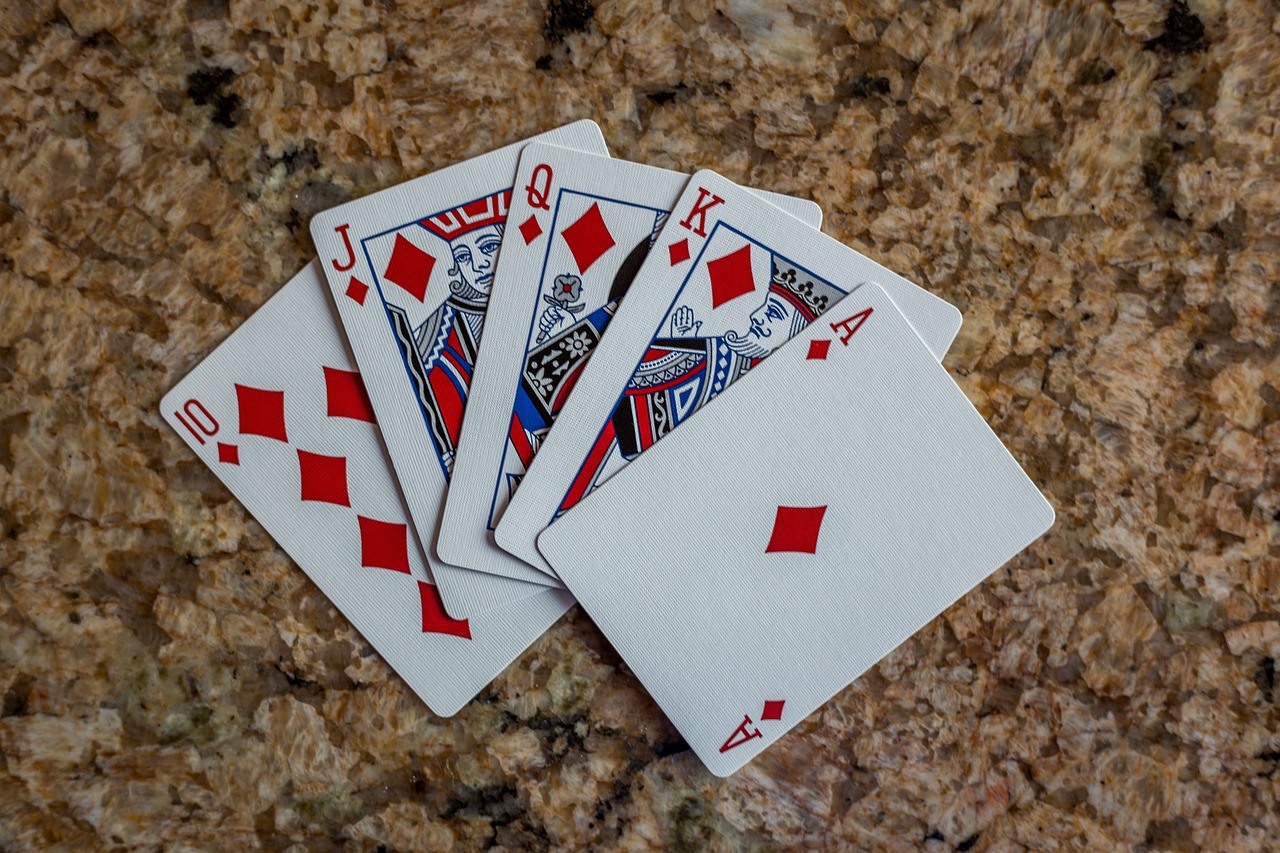
Most people lose at online casinos for the same reason most people lose at poker: they mistake entertainment for a strategy. The iGaming world generated roughly $100 billion in global revenue last year, and a staggering chunk of that came from players who never stopped to ask what the house edge actually meant for their bankroll. This isn't a lecture about quitting gambling. It's the opposite. It's about playing longer, playing smarter, and getting more genuine enjoyment out of the money you're willing to spend.
Whether you're spinning slots at 2 a.m., grinding micro-stakes poker, or sweating a four-team accumulator on a Sunday afternoon, the mechanics are the same. Understanding them is the difference between a hobby you control and a habit that controls you.
Every slot player eventually learns the phrase "return to player." A 96% RTP sounds generous until you realize it's calculated over millions of spins, not your session. Here's what most articles won't tell you: RTP tells you the long-run expectation, but volatility tells you how that expectation gets delivered.
Take two slots with identical 96% RTP. One is low volatility; it pays small amounts frequently, and your $100 bankroll might last two hours. The other is high volatility; it can eat your entire balance in fifteen minutes before dropping a 500x multiplier. Same RTP, radically different experiences. Neither is "better" — but one is almost certainly better for you, depending on whether you're playing for time or chasing a big hit.
A concrete tip: before you spin, set a hard session budget. If you deposit $50, decide that when it's gone, it's gone. Players who do this report far less regret than those who chase losses. And never chase a jackpot on a game you don't understand — that's how a $2 spin turns into a $400 disaster.
Welcome bonuses look amazing until you read the wagering requirements. A 100% match up to $500 with a 40x wagering requirement means you have to bet $20,000 before withdrawing anything. On high-volatility slots, that's not a bonus — it's a treadmill. Always check the maximum bet allowed while clearing a bonus too; many casinos cap it at $5 per spin, which disqualifies most strategy players. For a closer look, az888.br.com has helpful details.
Slots are pure chance. Sports betting rewards research but still rides on variance. Poker is different: it's the only mainstream vertical where a skilled player can grind out a genuine long-term profit. That's why it draws the same people who'd otherwise be day-trading stocks.
The single biggest mistake beginners make is playing too many hands. Solid players fold preflop somewhere between 70% and 80% of the time. If you're seeing a flop with half the hands you're dealt, you're bleeding money slowly. Tighten up. Position matters more than cards. A mediocre hand played from the button beats a premium hand played from the small blind more often than most people believe.
Online poker rooms now use AI-driven security tools that detect collusion and bots within seconds, so the games are fairer than a decade ago — but they're also tougher, because the recreational fish have been replaced by semi-professionals. Study the game or accept that you're the mark.
Sports betting is where the illusion of knowledge hurts most. Everyone thinks they understand football because they watch it. But watching matches doesn't give you an edge — sportsbooks employ analysts with proprietary models, decades of data, and mathematicians on staff. Your edge comes from knowing something the market hasn't priced in yet.
Look for soft markets: lower-tier leagues, women's sports, niche props, live in-play markets during unusual game states. Bookmakers build their sharpest lines on the Premier League and NFL — don't fight them there. Find markets with limited liquidity and do your homework.
A $100 bet on a -200 favorite at one book can be a -180 favorite at another. Line shopping across three or four sportsbooks isn't glamorous, but over a year it's worth more than any tipping service you'll ever pay for.
Every article tells you to "manage your bankroll." Almost none tell you how. Here's the honest version:
The uncomfortable truth: most people who lose big don't lose because they're unlucky. They lose because they break their own rules when they're emotional. Set your limits while you're calm, and stick to them while you're not. Use the deposit limit tools every regulated casino now provides — they're not a sign of weakness; they're proof you took this seriously enough to protect yourself.
The iGaming world isn't getting smaller. Mobile-first platforms, crypto liquidity, live dealer studios streamed from Malta and New Jersey, and AI- powered player protection tools continue to reshape what's possible. What won't change is the math. The house edge is always there, and no strategy erases it. What you can do is understand it, respect it, and play in a way that gives you genuine entertainment value per dollar — the same way you'd evaluate a concert ticket or a weekend trip.
Play because it's fun, not because you think you've cracked the code. Keep your sessions short, your bets small relative to your budget, and your ego out of the equation. The players who last twenty years aren't the ones who've hit the biggest payout; they're the ones who never once let a losing streak turn into a financial crisis. That's the whole game.


We are not gonna make spamming
