
Cottage Desk shares practical, down-to-earth guidance on cosy home offices in cottages and rural remote working for readers across the UK.
- 0123456789
- Angle Bd Abdelmoumen & rue soumaya, Résidence
- [email protected]
Cottage Desk shares practical, down-to-earth guidance on cosy home offices in cottages and rural remote working for readers across the UK.
 By Sophie Bramley
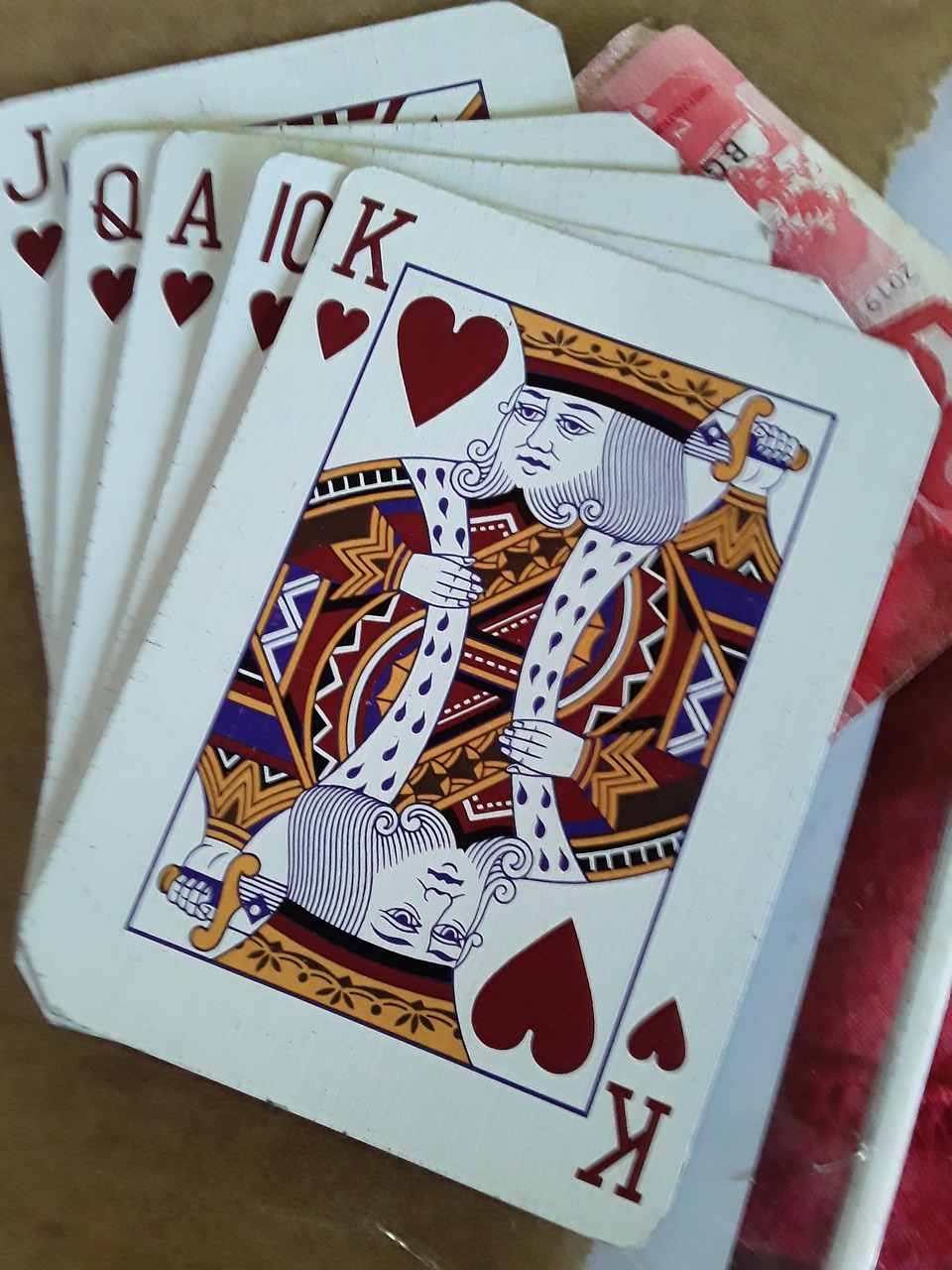
Ask anyone who has spent a single Friday night at a blackjack table and they will tell you the same thing: the mathematics are stacked against you, and yet you keep coming back. That contradiction sits at the heart of iGaming. It is not a bug in the system. It is the whole point. The modern casino floor stretches from a smartphone in your pocket to a five-thousand-square-foot sportsbook in Nevada, and the players who enjoy it most are not the ones chasing a miracle. They are the ones who understand the machinery underneath.
Slots are the least understood and most played games in any casino, online or otherwise. They account for roughly 70 to 80 percent of gambling revenue in most regulated markets, yet the average player cannot tell you what RTP even stands for. It means Return to Player, and it is the single most important number on a slot's info page.
An RTP of 96 percent means that, over millions of spins, the machine returns 96 cents for every dollar wagered. That does not mean you will lose exactly four percent in an hour. Variance is the cruel and beautiful part of slots, and a low-volatility machine might pay you small amounts frequently while a high-volatility one can eat two hundred spins before a single bonus triggers.
Here is a practical tip most players miss. Bonus buy features often carry a lower effective RTP than the base game. On some titles, the buy-in RTP drops two or three percentage points. If a slot lists its RTP separately for the bonus buy, read it. That small print is where the real edge lives.
Poker is the great exception in the iGaming world. You are not playing against the casino. You are playing against other humans, and the casino simply takes a rake, usually somewhere between 2.5 and 10 percent of each pot depending on the stakes and the room. That single fact changes everything about strategy.
In blackjack, the correct play is dictated by a chart. In poker, the correct play depends on who is sitting across from you, what they did on the last three hands, and how they react when the river card is unkind. This is why poker rewards patience over aggression and observation over instinct.
The most common leak among amateur players is not playing too many hands. It is playing too many hands out of position. Position is the closest thing poker has to a guaranteed edge. The button acts last on every post-flop street, which means you get to see what everyone else does before you commit more chips. A mediocre hand on the button is worth more than a decent hand in early position.
If you are new to online poker, start at micro-stakes tables where the blinds are one and two cents. The rake will eat your profit, but the education is worth every penny you lose. There is a useful overview at trangcacuocbongda.in.net.
Sports betting exploded after the 2018 repeal of the Professional and Amateur Sports Protection Act in the United States, and now dozens of states run regulated markets. The temptation is to believe that watching a lot of football gives you an edge. It does not, at least not by itself.
Bookmakers employ quants who build models using decades of data, injury reports, weather patterns and public money flow. The line you see is not a prediction. It is a price designed to balance the action and guarantee the book a margin, commonly called the vig or juice. A standard point spread is priced at -110 on both sides, which means you must win 52.4 percent of your bets just to break even.
Where sharp bettors find value is in the gaps. Prop bets, obscure leagues and live in-play markets are slower to adjust than the headline spreads. A fourth-string point guard's minutes restriction might not be fully reflected in a player prop line for thirty minutes. That window is real, but it closes fast.
Every experienced player I have ever spoken with says the same thing when asked for their best advice: set a number before you sit down, and treat it as spent the moment you deposit it. This is not moralizing. It is strategy.
Chasing losses is the single fastest way to turn a bad night into a bad year. The math does not care that you are due. There is no memory in a random number generator, and no debt owed to you by a deck of cards.
So why do we keep playing? Because the games are genuinely fascinating once you look past the flashing lights. Blackjack has a solvable strategy. Poker is a psychological battlefield. Slots are a masterclass in audiovisual engineering designed to make you forget time. Watching a parlay land after ninety minutes of sweating a soccer match produces a rush that is very hard to replicate elsewhere.
The responsible approach is not abstinence. It is curiosity with discipline. Learn the rules, respect the house edge, and never confuse luck with skill. The players who last ten years in this space are not the ones who hit the biggest jackpots. They are the ones who treated it as entertainment with a cost, the same way they treat a concert ticket or an expensive dinner. That is the only winning formula that actually holds up.


We are not gonna make spamming
