
Cottage Desk shares practical, down-to-earth guidance on cosy home offices in cottages and rural remote working for readers across the UK.
- 0123456789
- Angle Bd Abdelmoumen & rue soumaya, Résidence
- [email protected]
Cottage Desk shares practical, down-to-earth guidance on cosy home offices in cottages and rural remote working for readers across the UK.
 By Emily Hartley
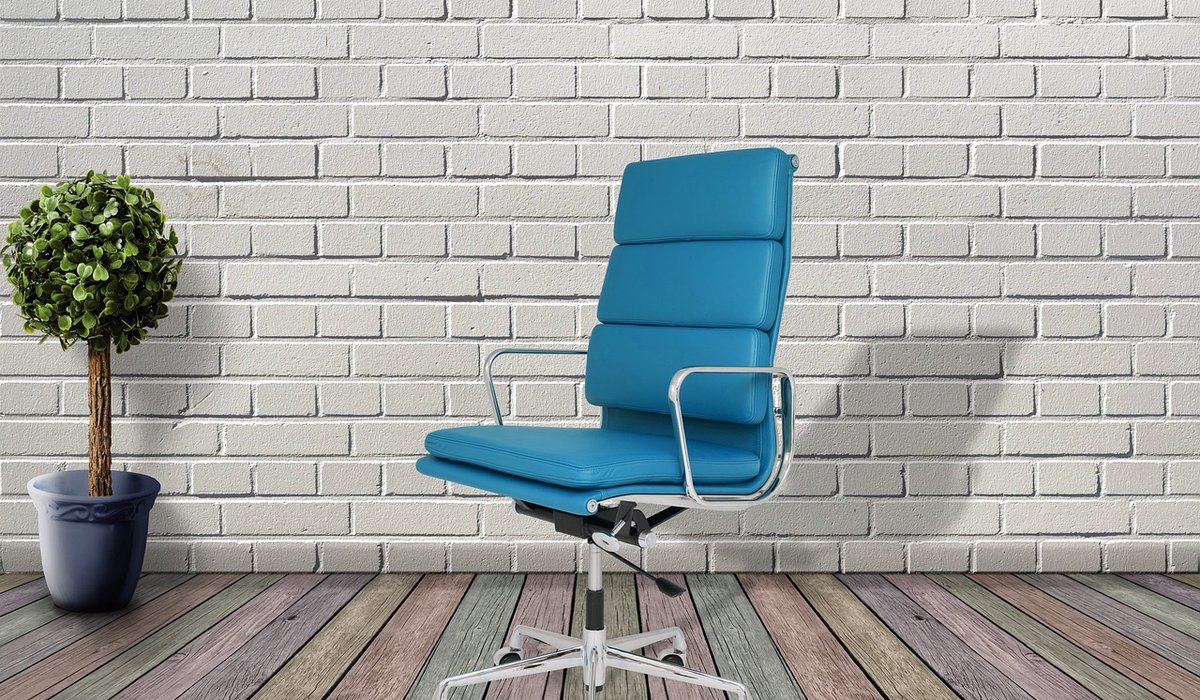
The foundation of any comfortable chair setup is seat height. In a cottage, floors can be uneven and rooms bijou, so take a moment to adjust before you settle in for the day. Sit fully back in the chair, then raise or lower the seat until your thighs are roughly parallel to the floor and your knees are bent at about a right angle. Your feet should rest flat on the floor – not dangling, not tucked under the chair. If your chair is fixed height, use a firm cushion or a footstool to bridge the gap.
A common mistake is sitting too high, which forces your feet to dangle and puts pressure on the backs of your thighs. Sitting too low can make your knees rise above your hips, tilting your pelvis and straining your lower back. Aim for a height where your hips are level with or slightly higher than your knees. In a small rural office, a compact adjustable stool or a chair with a gas lift can make all the difference. Test by sliding a hand under your thigh: there should be a small gap between the seat edge and the back of your knee, about the width of two fingers, to avoid pressure on nerves and blood vessels.
Your lower back needs a gentle curve, not a flat or slumped position. Use the chair’s built-in lumbar support if it has one; adjust it to sit in the small of your back, roughly at waist height. If not, a rolled towel, a small cushion or a lumbar roll can work wonders. Place it so it fills the natural inward curve of your lower spine. You should feel gentle support, not a hard prod.
Recline slightly – about 100 to 110 degrees – rather than sitting bolt upright. This reduces disc pressure and lets the chair take some of your weight. In a cosy cottage, you might be tempted to curl up on a soft armchair, but for long spells at the desk, a proper task chair with an adjustable back angle is worth the investment. If you must use a dining chair, add a wedge cushion to tilt the seat slightly forward, which encourages a healthy curve in your lower back.
Feet flat on the floor or on a footrest is non-negotiable for long days. This distributes weight evenly and helps circulation. If your feet don’t reach the floor after adjusting seat height, use a footrest. A simple sloped footrest or even a sturdy box or stack of books can work. Angle it slightly so your feet rest comfortably, with your ankles relaxed. Avoid crossing your legs for long periods – it can twist your pelvis and reduce blood flow. In colder months, a warm pair of socks and a footstool with a cosy cover can make the setup inviting, but don’t compromise on height. Your feet should be planted, not perched.
Armrests should support your forearms lightly, with elbows at roughly 90 degrees and shoulders relaxed. If armrests are too high, they push your shoulders up; too low, and you slump. Adjust or remove them if they get in the way. Your wrists should be straight, not bent up or down, when typing. A wrist rest can help, but it’s better to adjust chair height and desk height so your forearms are parallel to the floor. In a cottage with a fixed desk, a chair with adjustable armrests gives you flexibility. If your desk is too high, raise your chair and use a footrest; if too low, consider a desk riser or a thicker seat cushion.
Cottage charm often means throws, cushions and sheepskins, but be careful. A thick cushion can change your seat height and reduce back support. If you add a blanket, make sure it doesn’t bunch behind your lower back. A sheepskin can be lovely in winter, but it may make you slide forward. Use a thin, non-slip mat instead. Keep the chair’s adjustments accessible so you can tweak them as the day goes on. Also consider a chair with a breathable fabric – in a small, warm room, you don’t want to overheat. And if you’re working near a window with a draught, position the chair so you’re not in a direct chill, but still get natural light.
Even the best setup needs movement. Set a timer to stand up every 30 minutes. Stretch your back, roll your shoulders, walk to the kettle. In rural setting, a quick step outside to check the weather or fill a bird feeder is a perfect reset. Recheck your seat height and foot position after lunch – you may have shifted. If you feel aches, adjust one thing at a time: lower back pain might mean you need more lumbar support; numb legs might mean your seat is too high or the edge is pressing. Listen to your body. A comfortable chair setup is not a one-off task but gentle ongoing practice. With a few small adjustments, your cottage office can become a place where long days feel less taxing and more productive.


We are not gonna make spamming
