
Cottage Desk shares practical, down-to-earth guidance on cosy home offices in cottages and rural remote working for readers across the UK.
- 0123456789
- Angle Bd Abdelmoumen & rue soumaya, Résidence
- [email protected]
Cottage Desk shares practical, down-to-earth guidance on cosy home offices in cottages and rural remote working for readers across the UK.
 By James Whitcombe
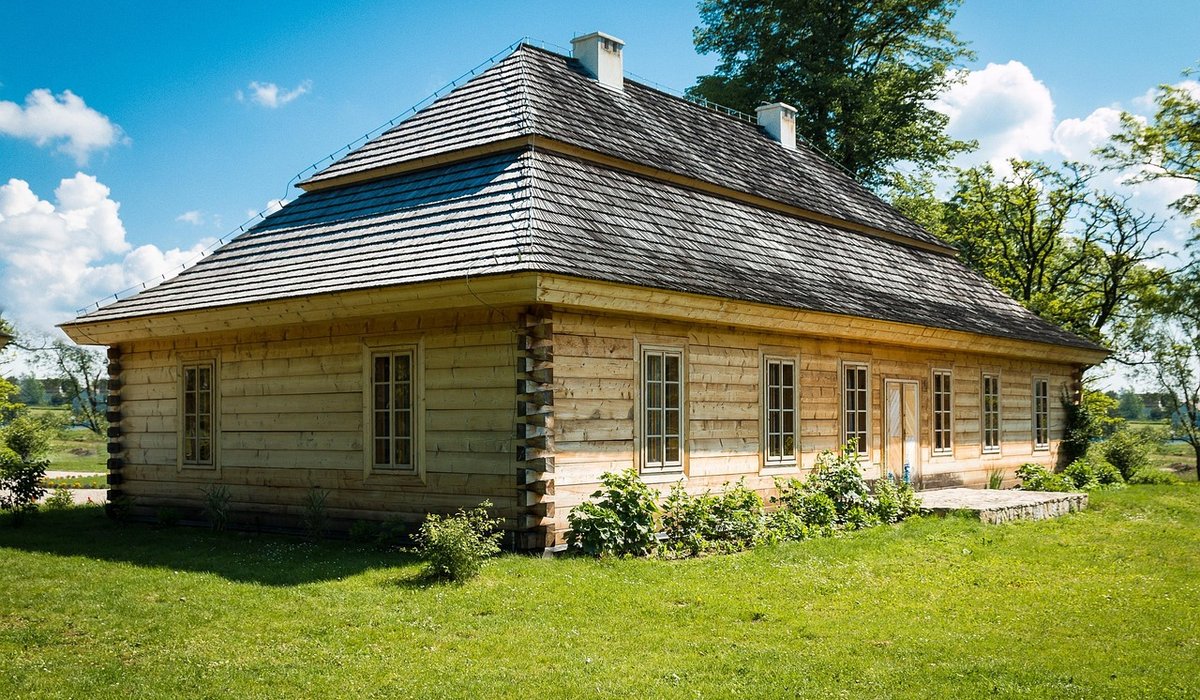
Cottage rooms are full of charm — low beams, thick stone walls, flagstone floors and beautiful light. Unfortunately, most of those features are the enemy of a clear video call. Small rooms with hard surfaces create flutter echo: your voice bounces off the floor, walls and ceiling, returns to your microphone a fraction of a second later, and the person at the other end hears a hollow, slightly metallic version of you. In a room barely three metres square, that happens constantly.
Add rural broadband that dips with the weather and a household sharing one connection, and it's tempting to accept that calls from a cottage will always be a compromise. They don't have to be. A few small, inexpensive adjustments will have you sounding and looking as polished as anyone in a city office — with a far better view.
If you change one thing, change this. Angle your desk so you sit facing the window with your back to the room. Daylight lands evenly on your face, and you avoid the two classic mistakes: sitting with a bright window behind you, which reduces you to a silhouette, or hunched in a dark corner lit only by a monitor.
A north-facing window gives soft, consistent light all day and is ideal. South-facing windows are brighter but can blow out the picture on sunny mornings, so draw a sheer curtain or net panel halfway across. If your desk can only face a wall, a lamp placed at roughly 45 degrees to your face and slightly above eye level does most of the same work. Just make sure the light falls on you, not behind you.
Camera height matters too. A stack of books under a laptop lifts the lens to eye level and avoids the upward angle that makes anyone look like they're being interviewed from a well.
With your back to the room, the camera sees whatever is behind you. Cottages can shine here, provided you edit ruthlessly. Aim for a background that looks lived-in but considered.
Test it properly. Record thirty seconds of yourself on your phone, propped where your webcam sits, and watch it back. You'll spot the drying rack and the crooked picture instantly — far better than discovering them mid-meeting.
Hard floors are the biggest cause of echo in a cottage, and headphones are the simplest fix. A headset with a microphone close to your mouth only listens to you, not the room, so reflections never reach the call. Closed-back over-ear headphones with a boom mic suit noisy households; a basic wired headset is fine in quieter ones.
Headphones also solve the second half of the problem. If the other person's voice comes out of your laptop speakers, your microphone hears it and sends it back, creating that distracting double-speak. Keeping audio in your ears breaks the loop. Add a habit of muting when you're not speaking and you'll rarely have trouble again.
You don't need acoustic panels, and you certainly don't want them in a cottage. Soft furnishings do the job. A thick rug over flagstones or bare boards transforms the sound of a room. Heavy curtains absorb far more than roller blinds, which reflect sound straight back. A bookcase behind you scatters reflections rather than bouncing them, and cushions, throws and a quilt hung on a bare stone wall all help.
Avoid a completely bare room with nothing on the walls. If you're stuck with one, a folded blanket placed on the desk between you and the microphone is a surprisingly effective temporary fix.
Sound is only half the battle; the connection is the other. When you test your broadband, watch the upload speed rather than the download. Video calls send as much as they receive, and a line that streams films perfectly can still struggle to carry your face. If Wi-Fi falters through stone walls, run an ethernet cable or use powerline adapters that push the signal through the mains wiring. Keep a mobile hotspot as backup for the days the line misbehaves.
Schedule large downloads, backups and updates outside call times. If you share the cottage, a quiet word before an important meeting goes a long way — ask whether the washing machine, the kettle and the hoover can wait twenty minutes. Most people are happy to oblige when they know why.
None of this needs money or a builder. Face the window, tidy what's behind you, put on a headset and soften the floor. Do those four things and a small cottage office becomes an asset rather than an apology — and when the call ends, you can step straight into the garden.


We are not gonna make spamming
