
Cottage Desk shares practical, down-to-earth guidance on cosy home offices in cottages and rural remote working for readers across the UK.
- 0123456789
- Angle Bd Abdelmoumen & rue soumaya, Résidence
- [email protected]
Cottage Desk shares practical, down-to-earth guidance on cosy home offices in cottages and rural remote working for readers across the UK.
 By Emily Hartley
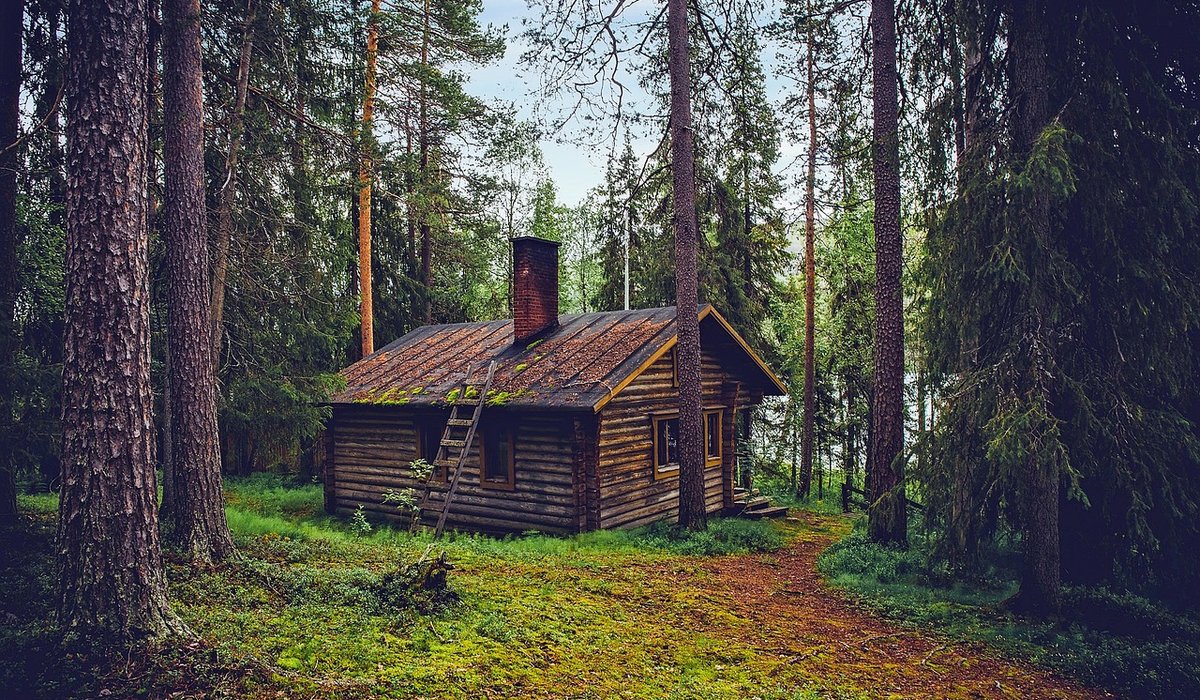
Box rooms in cottages are rarely square and almost never generous. Before you buy a single thing, spend twenty minutes with a tape measure. Note the door swing, the radiator, the position of the window, any slope at the eaves, and how high the sill sits. In a room measuring roughly 2.1m by 1.8m, you have space for a desk along one wall and very little else, so the wall you choose matters more than the furniture you put against it.
Measure the full height of that wall and the clear floor depth in front of it. You want about 75cm of clear space behind the chair so it can push back without hitting anything, though 60cm is workable if you learn to slide sideways as you stand. Then decide what else the room has to do. If it doubles as a guest room twice a year, you need a workspace that disappears rather than one that simply sits there.
A wall-mounted drop-leaf desk is the single best answer for a tiny room. An 80–100cm wide model folds flat to around 12cm, which means the room reads as a spare bedroom for most of the day. Choose one where the leaf is held by brackets rather than a swinging leg, which will always find your shins. Look for a working depth of 45–50cm. Anything deeper feels wonderful for ten minutes and then eats the floor space you need to turn around in.
Fix the desk at 72–75cm from the floor for a standard chair, or lower it slightly if you are tall and prefer a keyboard tray. If you can, screw the brackets into a stud rather than plasterboard alone.
Floor space is precious; wall space usually is not. A pair of shelves 20–25cm deep, fitted at 45cm and 80cm above the desk, will hold a printer, a stack of A4 folders and a box of pens without encroaching on your elbows. Keep the shelf directly above your working surface shallow — a picture ledge is perfect — so you never knock your head or your mug.
Use the back of the door for an over-door hook rack or a shallow organiser. A magnetic strip on the side wall holds scissors and cable ties. Run cables along the skirting in a length of trunking, and fix a small basket under the desk for the extension lead, so nothing trails across the floor to be tripped over at midnight.
The chair is where people waste the most room. Look for a seat width of 42–45cm and no arms at all — arms add 10cm on each side and rarely help. A folding or nesting chair that tucks completely under the desk will keep the room feeling open, but do not sacrifice support for slimness. If you sit for four hours a day, a simple task chair with an adjustable height and a modest back is worth more than a beautiful folding stool.
Get the height right: feet flat on the floor, thighs roughly level. In a low-ceilinged cottage room, a footrest under the desk is often kinder than a taller chair. A firm cushion on a hard wooden seat is a cheap upgrade, and a folded blanket on the back does more for a cold afternoon than you would expect.
Old cottages bring draughts, cold floors and slow broadband, and all three affect how you work. Fit a thermal curtain or a heavy blind across the window, add a draught excluder at the door, and consider a low-wattage heater on a timer rather than heating the whole house for one small room. For lighting, a task lamp at around 4000K keeps you alert over paperwork, while a warmer 2700K bulb elsewhere in the room stops it feeling clinical.
On connectivity, place your router high and near a window rather than in a cupboard under the stairs. If you rely on a mobile signal, a window-mounted antenna often makes the difference between a video call and an apology. A short extension lead with surge protection, plus a charged power bank, covers you for the occasional rural power cut.
A tiny office only works if tidying it takes two minutes. Keep one shallow tray for paperwork, one lidded box for cables and chargers, and a single drawer for everything else. At the end of the day, fold the desk, put the laptop in the drawer, and leave the surface clear. A small plant or a framed print on the shelf keeps the room feeling like part of the house rather than a cupboard with a chair in it.
The trick is not squeezing in more furniture. It is choosing a handful of pieces that fold, stack, mount or slide, and then resisting the urge to add one more thing. Done well, a box room becomes the quietest, most productive corner of the cottage.


We are not gonna make spamming
