
Cottage Desk shares practical, down-to-earth guidance on cosy home offices in cottages and rural remote working for readers across the UK.
- 0123456789
- Angle Bd Abdelmoumen & rue soumaya, Résidence
- [email protected]
Cottage Desk shares practical, down-to-earth guidance on cosy home offices in cottages and rural remote working for readers across the UK.
 By James Whitcombe
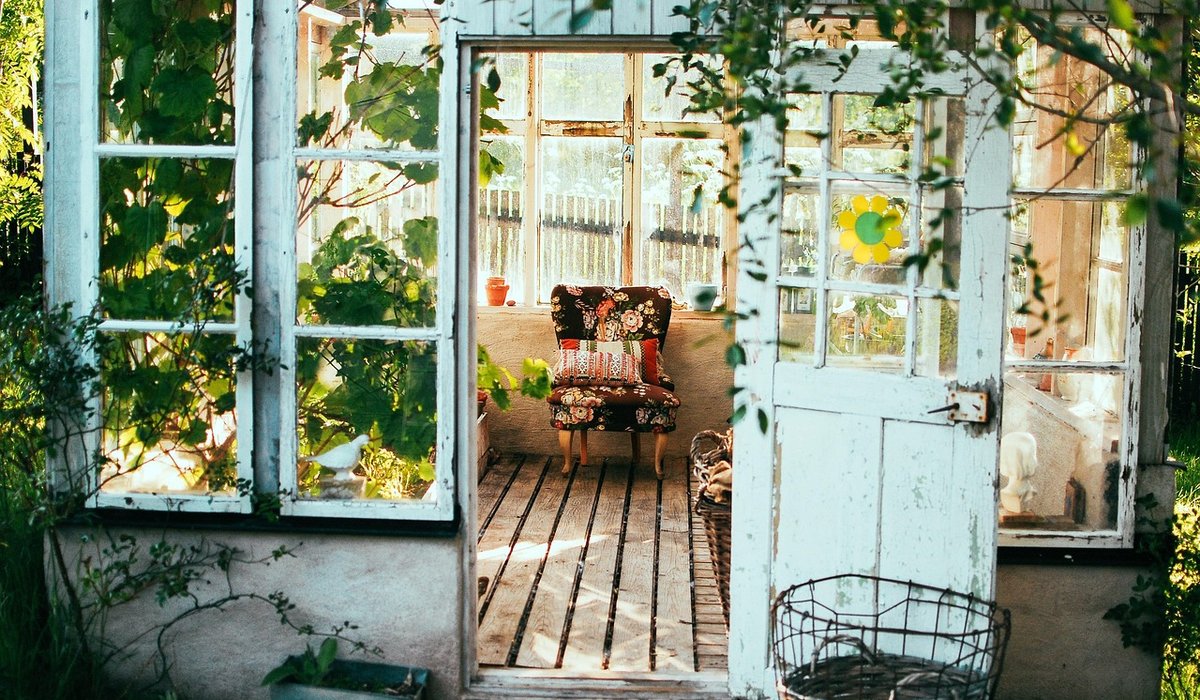
Working from a cottage sounds idyllic until you realise there is no commute to separate the day into pieces. The kitchen table is the desk, the wood burner is two feet from your chair, and the laundry basket is giving you a meaningful look. Without a deliberate start, the morning slips away into small domestic tasks and half-read emails, and by eleven o'clock your best thinking hours have gone. A short, repeatable routine fixes this. It does not need to be complicated, and it does not need to begin at five in the morning.
In a city flat or an office, the journey did the work for you. The walk to the station, the train, the lift ride — all of it nudged your brain from home mode into work mode. In a rural setting, that transition has to be built by hand.
Cottages bring their own complications. Thick walls and poor mobile signal mean you cannot always rely on a quick call. Slow broadband makes large uploads a gamble. And because the space is small, the boundary between "at home" and "at work" is thin enough to disappear entirely. A morning routine is simply a set of signals you give yourself, and they work best when they are physical rather than digital.
Ten to twenty minutes outside, ideally before breakfast and before you look at a screen. Keep it simple: the same coat on the same hook, the same boots by the door, a torch within reach from October onwards.
Daylight in the morning helps set your body clock, and gentle movement wakes you up more reliably than a second coffee. The rural advantage is that the walk is genuinely pleasant — birdsong, a single-track lane, a field you have walked a thousand times. It also gives your mind a chance to rehearse the day before you have to react to anyone else's priorities.
The inbox is a list of other people's priorities. If you open it first, you spend your clearest hours on someone else's problems, and your own work gets pushed into the post-lunch dip.
So write your list first. On paper, ideally — a small notebook kept on the desk, or the back of an envelope. The point is that it is analogue and it does not ping.
Once the list exists, you can open email knowing exactly what the day is for. Batch it: check, respond to what genuinely cannot wait, close the tab, and get on with task one.
Not a travel mug balanced on a pile of papers. A proper mug, a proper cup of tea or coffee, made at the kettle and then drunk sitting down for five minutes.
This is the moment that replaces arriving at your desk. Sit somewhere other than your working chair if the cottage allows it — the window seat, the armchair by the fire, the stool at the end of the kitchen. Do not scroll. Look out of the window. Let the house be quiet for a moment.
In a cold cottage, this step does double duty. Warming your hands, adding a layer, filling a hot water bottle for your lap — all of it tells your body that the working day has started and you are going to be sitting still for a while.
Adjust the times to suit your household, livestock and school run, but keep the order.
From November to February, the walk happens in the dark or moves to lunchtime. Use a decent torch, layer up properly, and consider a daylight lamp at the kitchen table for the first half hour. The routine does not have to look identical all year — it just has to happen.
Poor broadband is a rural reality, so plan around it. Download what you need the evening before. Do your focused, offline work in the morning and save uploads, video calls and big syncs for later in the day when the line is quieter. Starting the morning with a file transfer that keeps failing is a sure way to lose the plot before nine.
Finally, accept that the cottage is also your home. Pack the laptop away at the end of the day, close the door if there is one, and let the room go back to being a room. A morning routine only holds if the day has a proper ending.


We are not gonna make spamming
